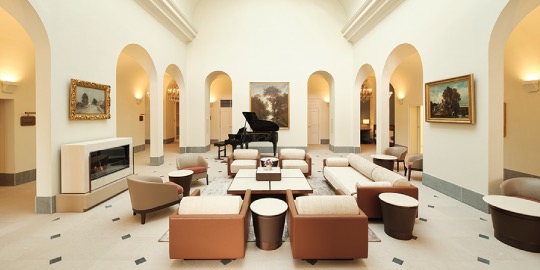


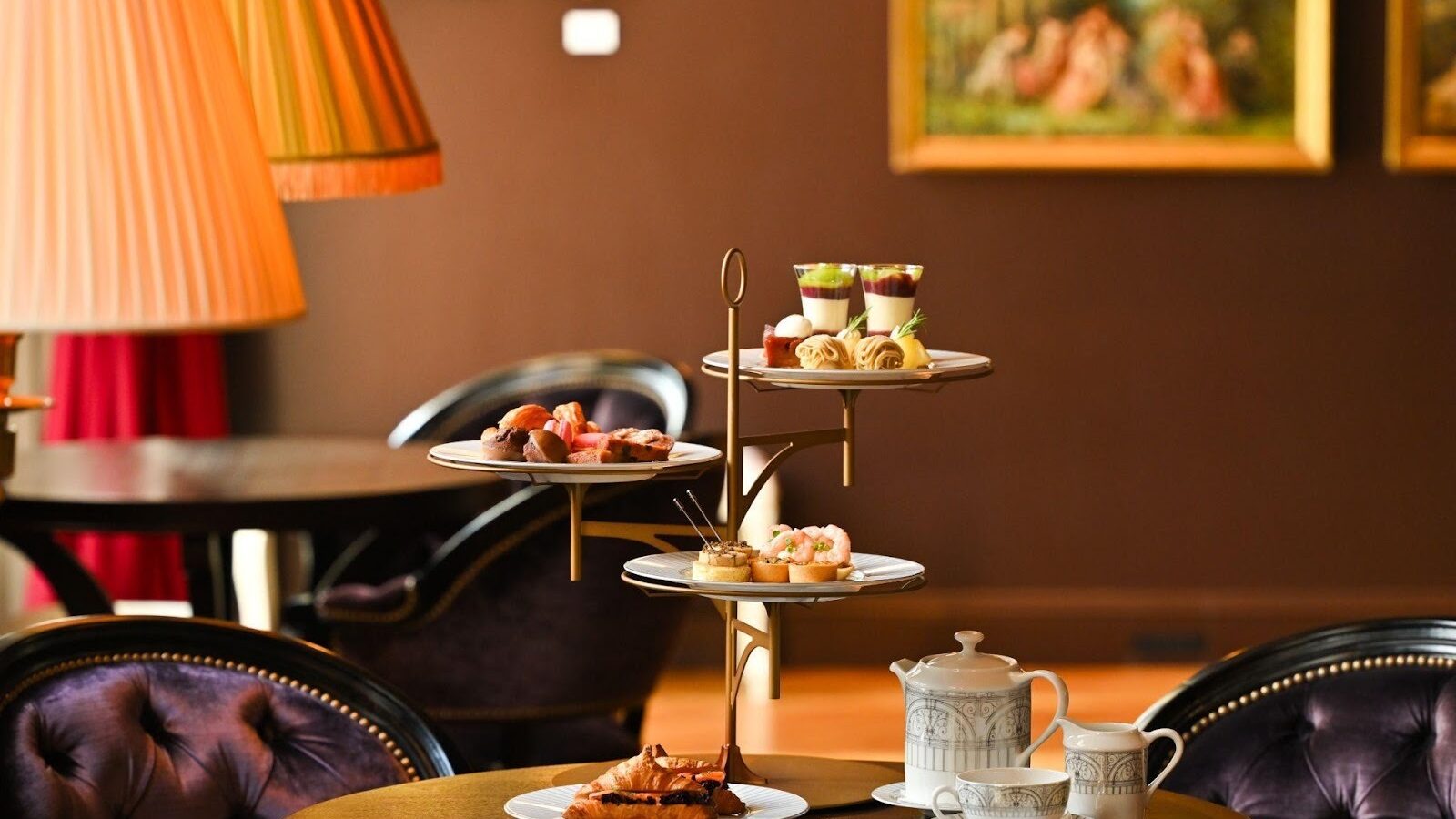
At the bar “Le Rêve” in our HOTEL de L’ALPAGE, café service is available from 14:00.
Enjoy an exquisite selection of cakes and signature assiette desserts made by our pâtissier, perfectly paired with a curated selection of beverages.
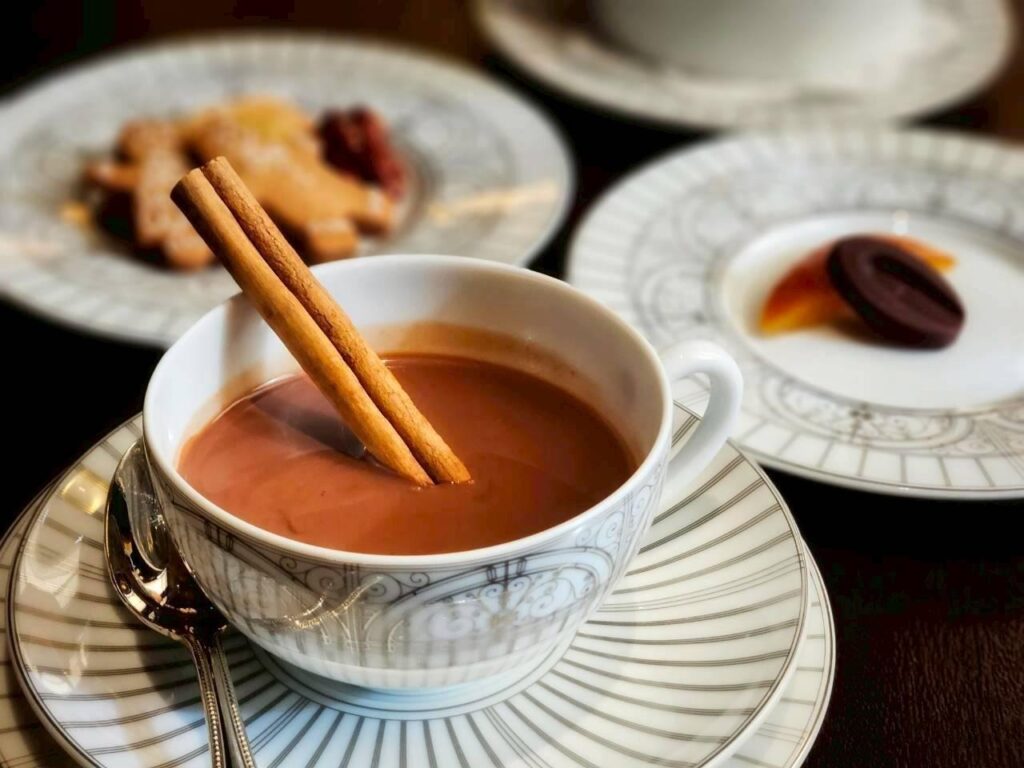
From late autumn through the chilly early days of spring, we offer “Chocolat Chaud” as a seasonal, limited-time specialty. A French classic, this hot chocolate is prepared using premium chocolate from the renowned French chocolatier Valrhona and fresh local milk from the Yatsugatake Highland.
The rich sweetness of the chocolate, the fragrance of cacao, and the smooth taste of the milk come together to create the perfect drink for a cold day. Cinnamon and orange peel are also served alongside, allowing to enjoy a delightful change in flavor.
Additionally, following the success of our “Goûter de L’Alpage” events last autumn, our French-style afternoon tea returned this March for its spring edition.
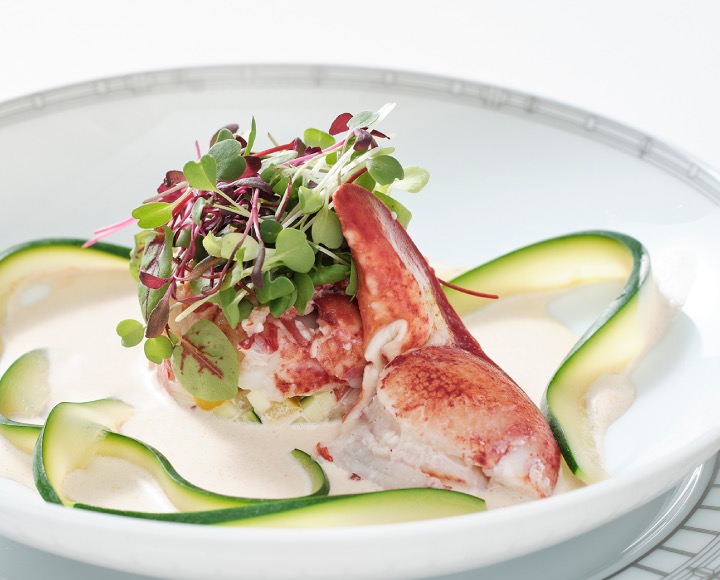
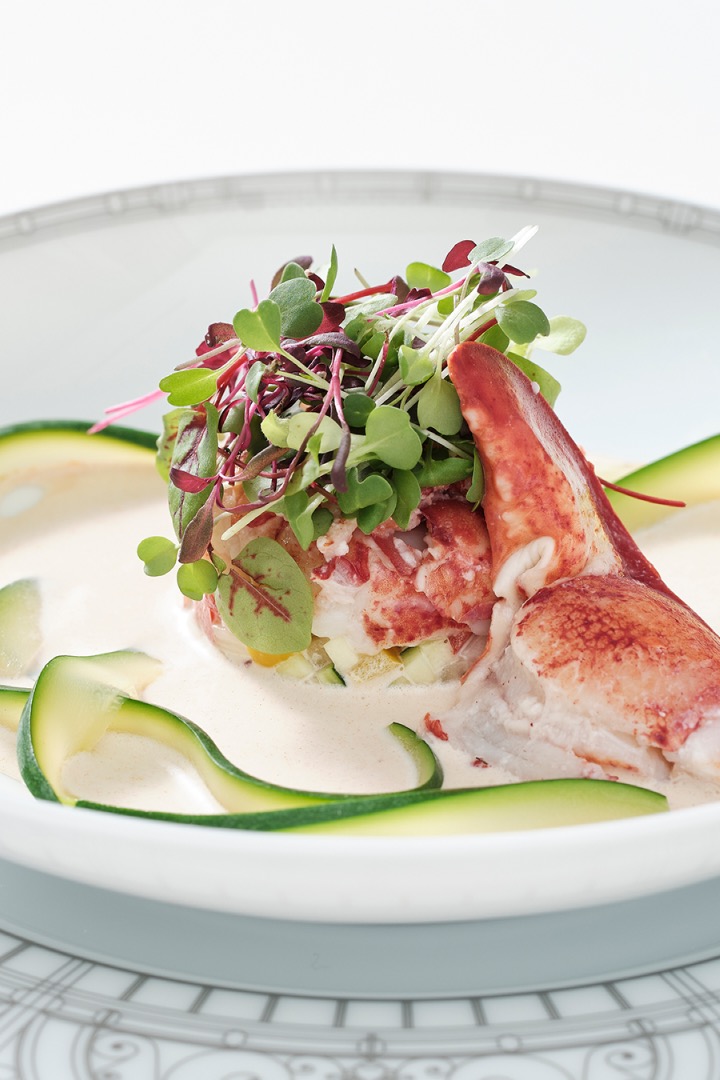
Indulge in an exquisite selection of sweets crafted by our pâtissier using fresh seasonal berries, alongside savory treats created by our chefs.
To further elevate the experience, enjoy a sophisticated French-style tea time accompanied by live flute and piano during a special one-day lobby concert on April 25th.
Relax with your favorite beverage and enjoy a truly refined tea-time experience.
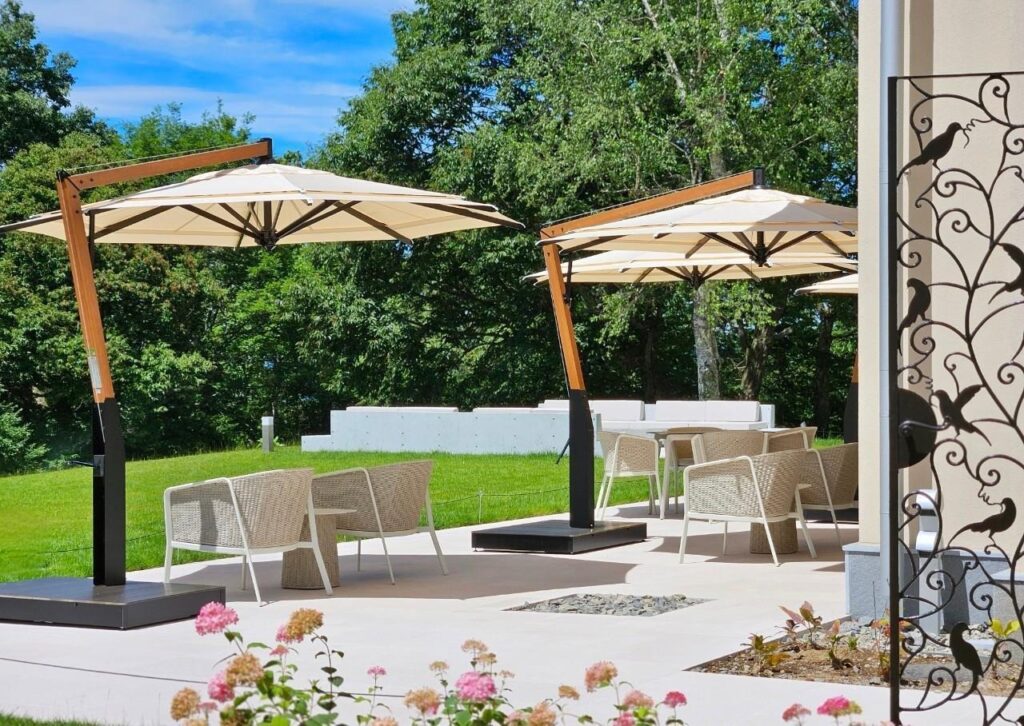
As the harsh winter comes to an end and Tateshina is embraced by the gentle warmth of spring sunlight, take advantage of our terrace seating overlooking the hotel garden.
Around mid-May, the wild pear and wisteria trees —tended with care since the Hotel Heidi years— come into bloom, signaling the arrival of early summer.
Step off the terrace onto the garden promenade for a leisurely stroll among the verdant trees and lawns, where the hotel’s elegant façade provides a beautiful backdrop to this rare café setting.
In French the term “terrasse” originally referred to an extension of a building’s floor that does not project outward from the structure, unlike a balcony. On upper floors, this refers to a roof balcony, while on the ground floor, it is a space leveled with the interior and our hotel’s terrace is a prime example of this. The term is also used to describe the outdoor dining areas that restaurants set up along the pavement. The only distinction being whether the space falls within the establishment’s own premises or not.
In modern-day Paris, the terrace thus occupies a position between the restaurant and the public street, functioning much like an engawa, the traditional Japanese veranda.
Integrated with the pavement, it is a place where one can sit amid the bustle of the city, watching passersby while being watched in return, savoring the pleasant sense of being part of the urban scene. Parisians deeply cherish the sun, and the terrace serves as a sanctuary for relaxing and sunbathing.
Additionally, while the Salon de Thé was a smoke-free environment, cafés have historically permitted smoking. With the introduction of no-smoking ordinances, however, the terrace has become the sole remaining area where smoking is allowed.
The café culture, born in France and cherished here at our hotel, has since spread across the globe and is cherished by people of all generations.
In Paris, cafés line the streets in abundance, their terraces filled with locals at ease, laughing, chatting with friends or exchanging a word with the staff. It is a familiar sight today, yet behind it lies a long and remarkably rich history.
Join us as we trace that story, following the journey of French café culture from its very beginnings.
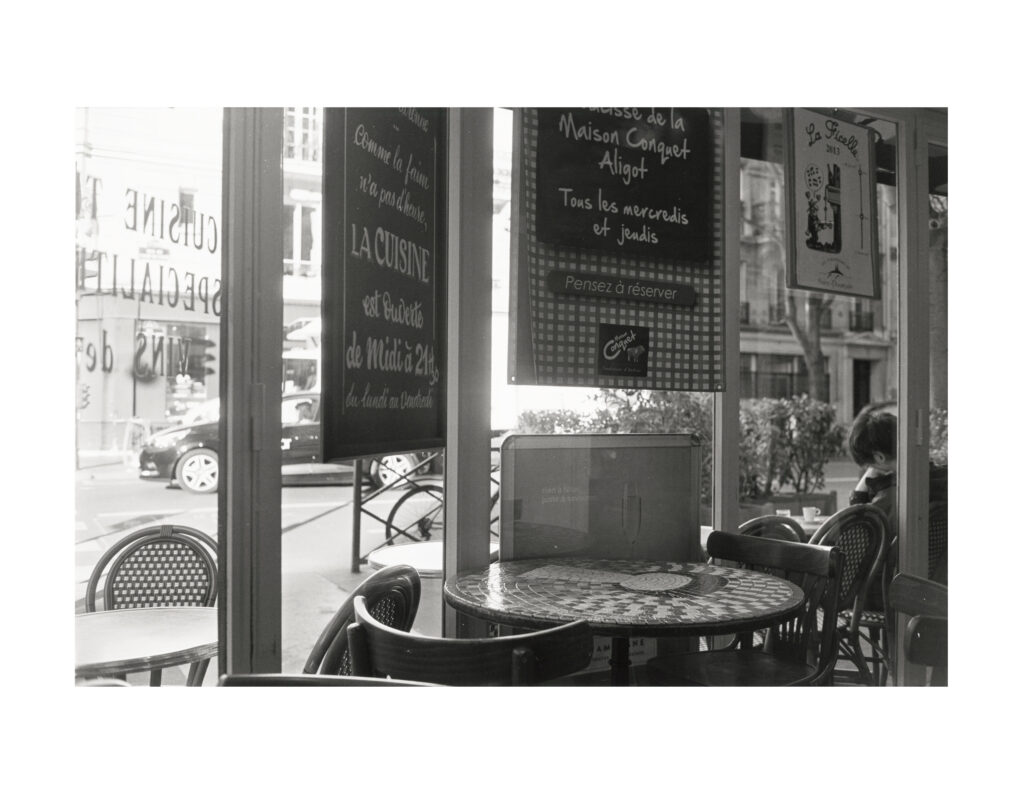
The first cafés in Europe appeared in Venice and Rome, Italy. The concept eventually spread to France, and in 1686, a prominent café was established in Paris. Known as Le Procope, its beautifully appointed interior became the model for the cafés that followed, and it remains a beloved location to this day.
It was also Le Procope that first introduced terrace seating—a feature that would go on to become a defining characteristic of the French café. While it now operates as a restaurant rather than a café, it remains a popular destination for tourists, notably for displaying a hat reputedly left behind by Napoleon.
Following the success of Le Procope, cafés began to proliferate across Paris; estimates suggest there were around 600 in the city by the reign of Louis XV. This growth partly reflected the medical culture of the time, as doctors recommended coffee as a remedy for nausea and a tonic for the heart, leading many Parisians to adopt the habit in the interest of their health.
It would be easy to imagine that café culture spread seamlessly among the general public from this point on; however, the path to its widespread adoption was, in fact, considerably more peculiar.
Toward the latter half of the 18th century, the popularity of cafés surged with extraordinary momentum, spreading rapidly as a defining trend of the era. This was due in no small part to the pivotal role cafés played in the lead-up to the Revolution.
Originally, cafés functioned less as gathering places for the masses and more as exclusive social venues for the nobility and artists. However, as France descended into a fiscal crisis and food shortages, and revolutionary sentiment reached a boiling point, cafés transformed into political salons where Enlightenment thinkers convened. By the end of the century, they had evolved into spaces where revolutionaries engaged in heated debate and where those seeking to overthrow the monarchy held clandestine meetings. As the discussions within café walls grew ever more fervent, they ultimately helped ignite the French Revolution.
Throughout the Revolution, cafés continued to disseminate newspapers to keep citizens informed of political developments, fueling public interest and remaining spaces where people could debate freely. Having exerted a profound influence on the French Revolution, cafés remained steadfast pillars of the movement. In the following years, they gradually evolved from forums for political discourse into accessible gathering places for the general public.
By the end of the 19th century, many painters and writers frequented cafés in search of inspiration for their creative work. Cafés took on the role of artistic salons, supporting the work of practicing artists.
Into the 20th century, they continued to serve as meeting places for intellectuals while also catalyzing the development of youth culture, steadily broadening their role.
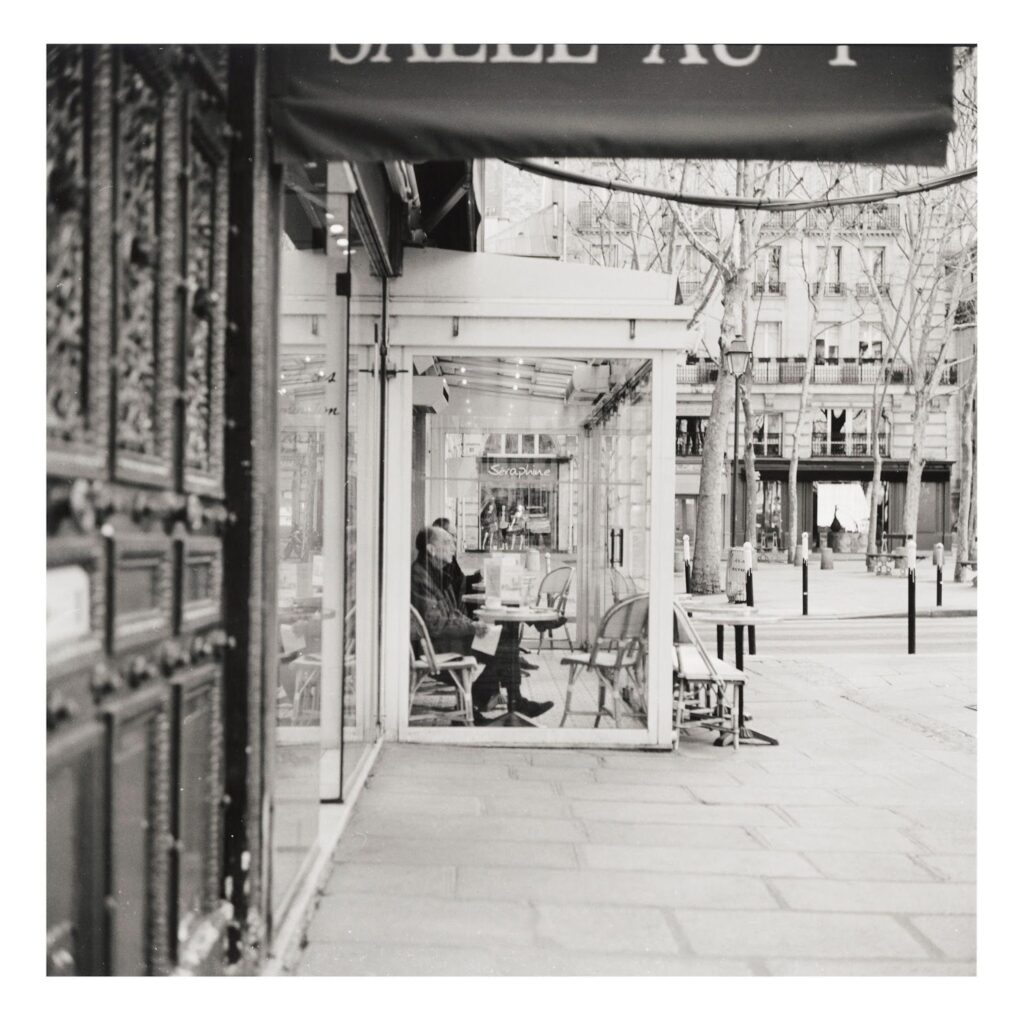
Looking at the evolution of the café through the lens of French history, it becomes clear that these establishments were deeply intertwined with the nation’s cultural development and its major political turning points.
The French café did not evolve merely as a place for food and drink; rather, it has flourished precisely because it remained a central hub for politics, philosophy, and the arts. It is this legacy as a sanctuary for the exchange of ideas that defines the French café culture we know today.
In France, where there is little aversion to tanning, people can be found enjoying lively conversation on terrace seats even during the intense summer sun. In recent years, summers in urban Japan have become oppressively hot and humid, at times even dangerous. However, the Tateshina Highlands, where our hotel is located, enjoy low humidity; even in the height of summer, a seat in the shade of a parasol offers a surprisingly refreshing respite.
A gentle first step into French café culture might be as simple as this: unplugging from the digital world for a digital detox and spending a relaxing moment with good conversation or the quiet company of a book.
Nothing would give us greater pleasure than for our guests to reflect on the long history of the French café while enjoying our own.
Surrounded by the serene natural beauty of Tateshina, enjoy a meaningful and relaxing moment at bar “Le Rêve.”
We look forward to welcoming you soon.
For more information about bar “Le Rêve,” please click here
For more information about Goûter de l’Alpage, please click here


