





Chino City, where our hotel is located, is home to some of Japan’s most significant Jomon-period cultural heritage.
Among Japan’s six National Treasure artifacts from the Jomon period, five clay figurines (dogū) and one flame-style pottery vessel, two were excavated from archaeological sites within Chino City.
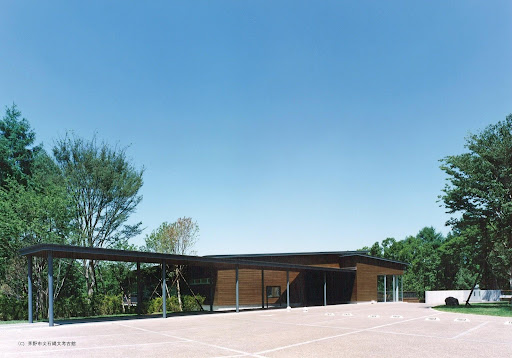
These two National Treasure clay figurines can be viewed at the Togariishi Jomon Archaeological Museum, located just a 15-minute drive from the hotel and one of the attractions we highly recommend to our guests during their stay.
When considering cultural heritage sites near the hotel, many people naturally think first of Suwa Taisha. However, long before the shrine’s history began, the region was already home to a flourishing Jomon civilization.
In this article, we would like to introduce the rich Jomon culture of Chino City, with a special focus on its National Treasure clay figurines.
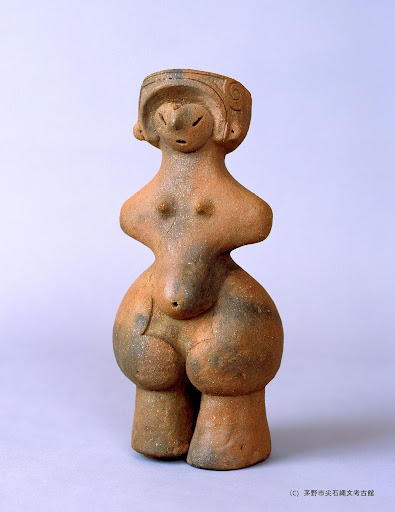
The first of these National Treasures is the “Jomon Venus,” designated as a National Treasure in 1995. It was the first clay figurine from the Jomon period to receive this distinction. The figurine dates to the early part of the Late Jomon period, approximately 4,000 years ago, within the broader Jomon era that lasted for nearly 10,000 years, from around 13,000 to 2,300 years ago.
The figurine was excavated from the Tanabatake Site, one of the largest archaeological sites in Chino City. Its head is adorned with a distinctive trident motif and intricate ornamentation so elaborate that it was initially mistaken for a ceramic vessel. Yet its narrow, upturned eyes and delicately formed mouth reveal the characteristic features of Jomon clay figurines from the Yatsugatake foothills.
Prior to the discovery of the Jomon Venus, numerous clay figurines had already been unearthed at the Tanabatake Site. However, all of them had been found in a damaged or fragmentary state, and no figurine of such impressive size, 27 centimeters in height, had ever been discovered intact. Since most Jomon clay figurines found throughout Japan are broken, the fact that the Jomon Venus was carefully buried in complete form suggests that it may have been treated differently from other figurines and held a special significance for the people who created it.
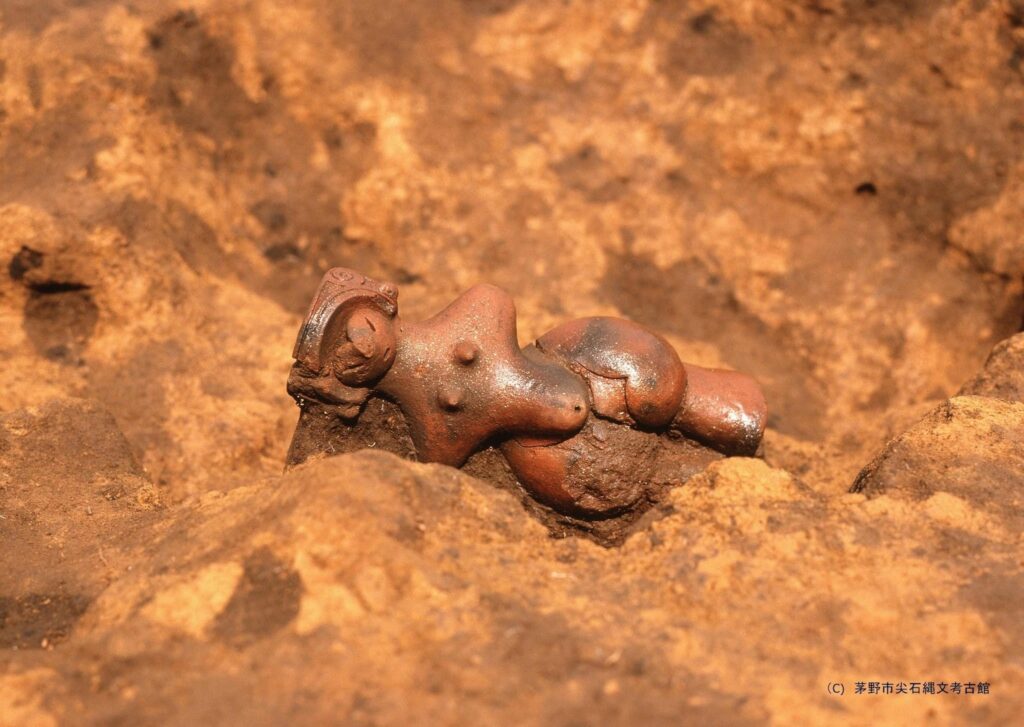
The name Venus may evoke another local landmark: the Venus Line, one of the region’s most celebrated scenic drives.
Although the road derives its name from the graceful profile of Mt. Tateshina, traditionally associated with a goddess, rather than from the ancient figurine itself, it is a charming coincidence that the route runs close to the Tanabatake Site, the very place where the Jomon Venus was found.
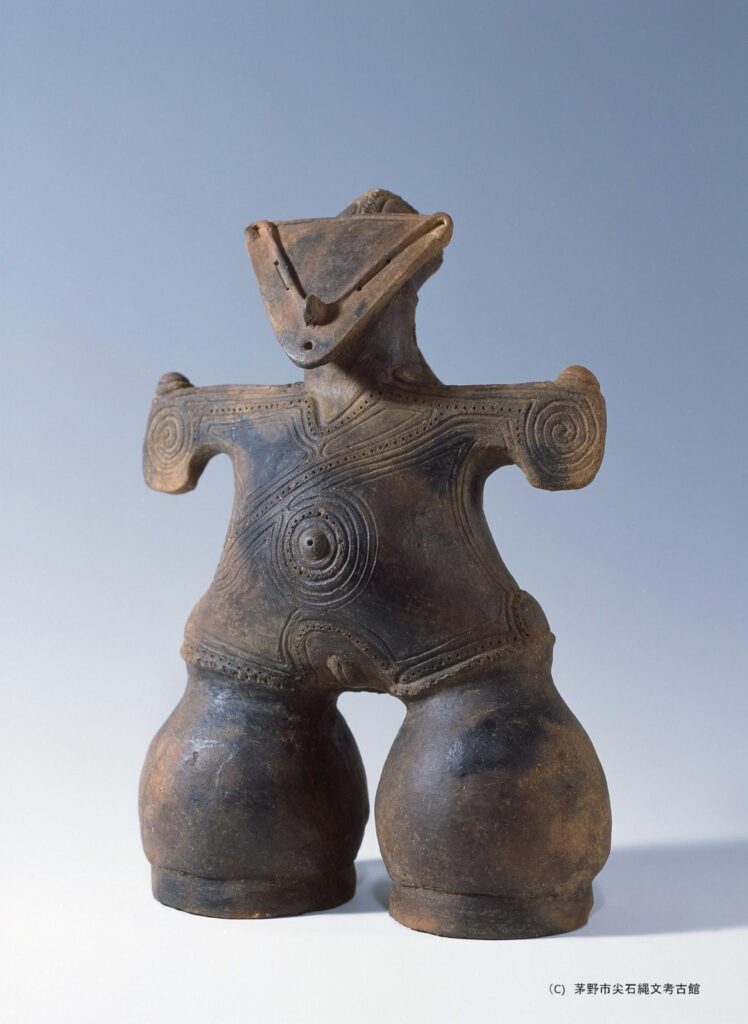
The second National Treasure clay figurine found, the Masked Goddess, was discovered in the year 2000. Like the Jomon Venus, it dates to the early part of the Late Jomon period.
Unlike the solidly modeled Jomon Venus, the Masked Goddess was constructed by stacking coils of clay, much like pottery. As a result, the interior is hollow, a characteristic feature of large clay figurines known as hollow dogū.
Another notable distinction is that the figurine’s right leg had been deliberately broken before it was buried. In addition, a pottery vessel believed to have been placed over the face of the deceased was discovered in a nearby pit adjacent to the one containing the figurine. Because of their close archaeological association, these artifacts were designated together with the figurine as part of its National Treasure designation.
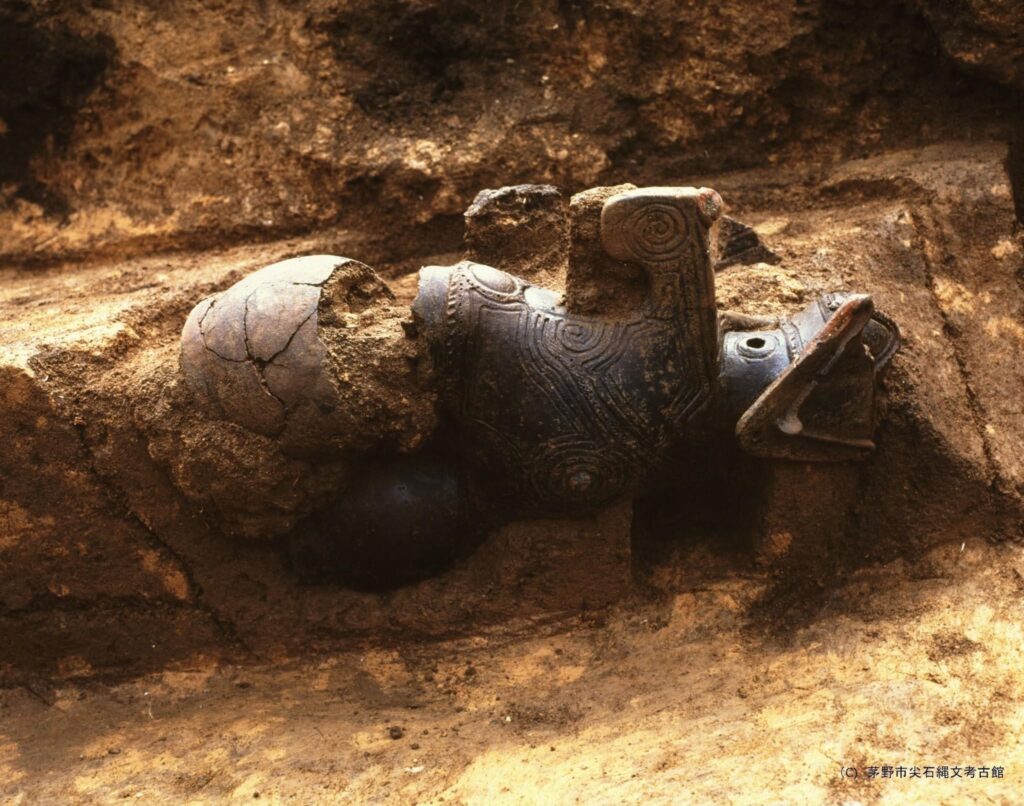
These two National Treasure clay figurines are valued not only for their remarkable artistry, but also for the new insights they have provided into the significance of dogū.
The fact that both were intentionally and carefully buried within excavated pits suggests that they held a significance beyond that of ordinary objects. Rather than being toys, they are thought to have played an important role.
The Tanabatake Site, where the Jomon Venus was discovered, has yielded not only this remarkable figurine but also numerous other treasures. Archaeologists have restored approximately 600 pottery vessels from the site, along with numerous clay figurines and other artifacts. Evidence of human activity ranging from the Early Jomon period to the Edo period has been discovered here, with particularly abundant finds dating to the Middle and Late Jomon periods, roughly 4,000–5,000 years ago.
Chino City is home to 348 known archaeological sites, of which 237 belong to the Jomon period. This remarkable concentration of ancient remains explains why the area is often known as the “Home of the Jomon.”
Among these sites, the most prominent is the Togariishi Stone Age Site, a Middle Jomon circular settlement designated as a Special Historic Site of Japan. Recognized for its exceptional academic and cultural value, it ranks among the country’s most important archaeological landmarks.
The site is notable as both the first location in Japan where a Jomon settlement was systematically researched and the place where the nation’s first circular settlement was identified. Excavations, conducted by Miyasaka Fusakazu, uncovered the remains of 33 pit dwellings, and outdoor buried pottery vessels, offering a vivid picture of daily life thousands of years ago.
Researchers were particularly intrigued by the unusually small number of stone tools found compared with the large quantity of pottery. This discovery raised the possibility that the inhabitants relied less heavily on hunting and gathering than previously thought and may have practiced early forms of agriculture, including slash-and-burn cultivation, in which cleared and burned land was used for farming.
As a result, the Togariishi Site continues to play a key role in understanding whether Jomon communities engaged in farming alongside hunting and gathering, shedding light on their advanced settled lifestyles and diverse means of securing food.
The Togariishi Stone Age Site featured in this article can also be explored at the Togariishi Jomon Archaeological Museum.
The museum also includes reconstructed pit dwellings, providing a fascinating look at life in a Jomon-period settlement.
If you are visiting our hotel, we highly recommend adding this unique cultural experience to your itinerary.
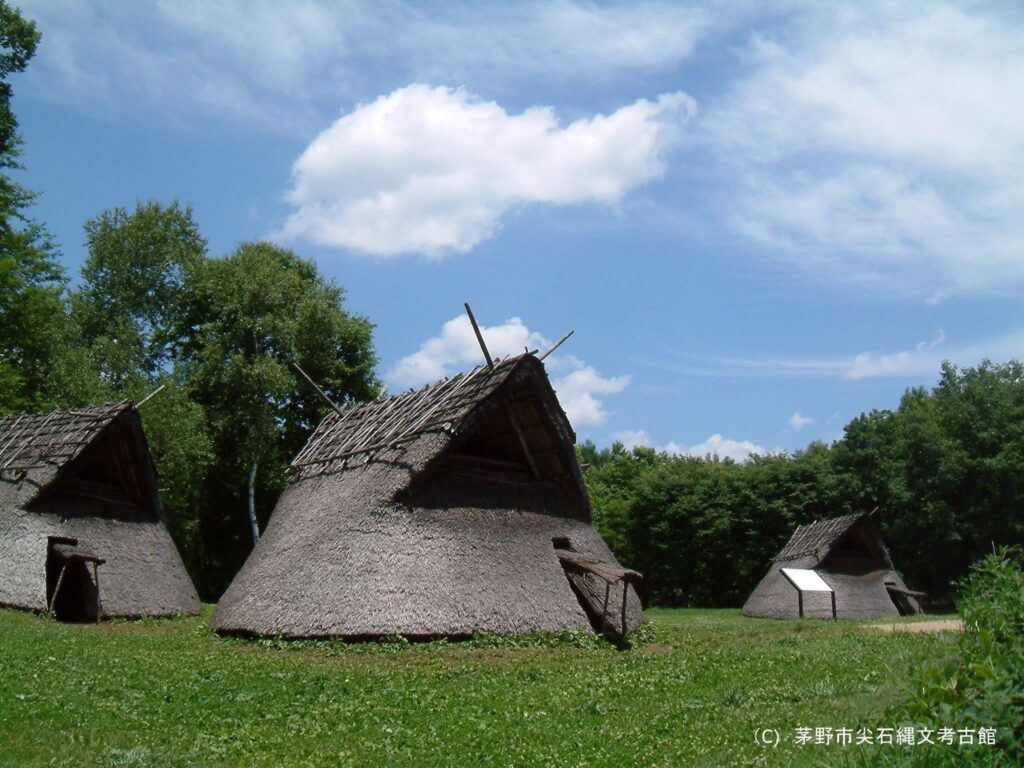
In addition to the Togariishi Stone Age Site, two other archaeological sites have also been designated as Historic Sites: the Uenodan Stone Age Site and the Komagata Site.
The Uenodan Stone Age Site was designated a National Historic Site in 1942 together with the Togariishi Site. As the site contains evidence of human activity spanning from the Early Jomon period through the Heian period, it has yielded a remarkable variety of pottery styles. Particularly significant are the large numbers of pottery vessels from the Final Jomon period, a rarity in the Yatsugatake region. These finds have helped researchers better understand the culture of Japan’s central mountain communities during the ending stages of the Jomon era.
The Komagata Site, meanwhile, is situated near the Hinokizawa River. Following the valley northward for approximately 10 kilometers leads to the obsidian sources of Kirigamine. The site is believed to have been involved in the production and distribution of obsidian tools traded across the country. Excavations have revealed 106 pit dwellings from the Jomon period, along with numerous pits, Paleolithic artifacts, Heian-period residences, and medieval remains.
Why, then, are so many archaeological sites concentrated in this region?
To answer that question, we must take a closer look at the factors that allowed Jomon culture to flourish in what is now Chino City.
The first reason lies in the area’s remarkable natural abundance.
Even today, the foothills of the Yatsugatake Mountains are rich in edible nuts, mountain vegetables, freshwater fish, and wildlife. These resources sustained Jomon communities for thousands of years, supplying not only food but also the raw materials needed for clothing, tools, and shelter.
The terrain itself also played an important role. Rivers flowing from the mountains created valleys separated by elevated plateaus, where Jomon people established villages.
But perhaps the most significant advantage was the region’s rich deposits of obsidian.
Obsidian, a volcanic glass formed by rapidly cooled magma, could be shaped into sharp cutting tools and it served many of the functions that metal would fulfill in later ages. Around Kirigamine and Wada Pass, traces remain of extensive excavation activities carried out over long periods to obtain this precious resource.
Renowned for its exceptional quality, Kirigamine obsidian was traded from Hokkaido in the north to Mie Prefecture in the south.
These favorable conditions enabled Jomon communities to flourish and as a result, numerous settlements were established here, leaving behind the archaeological sites.
Surrounded by such natural abundance, it is perhaps no surprise that Jomon culture flourished so remarkably here.
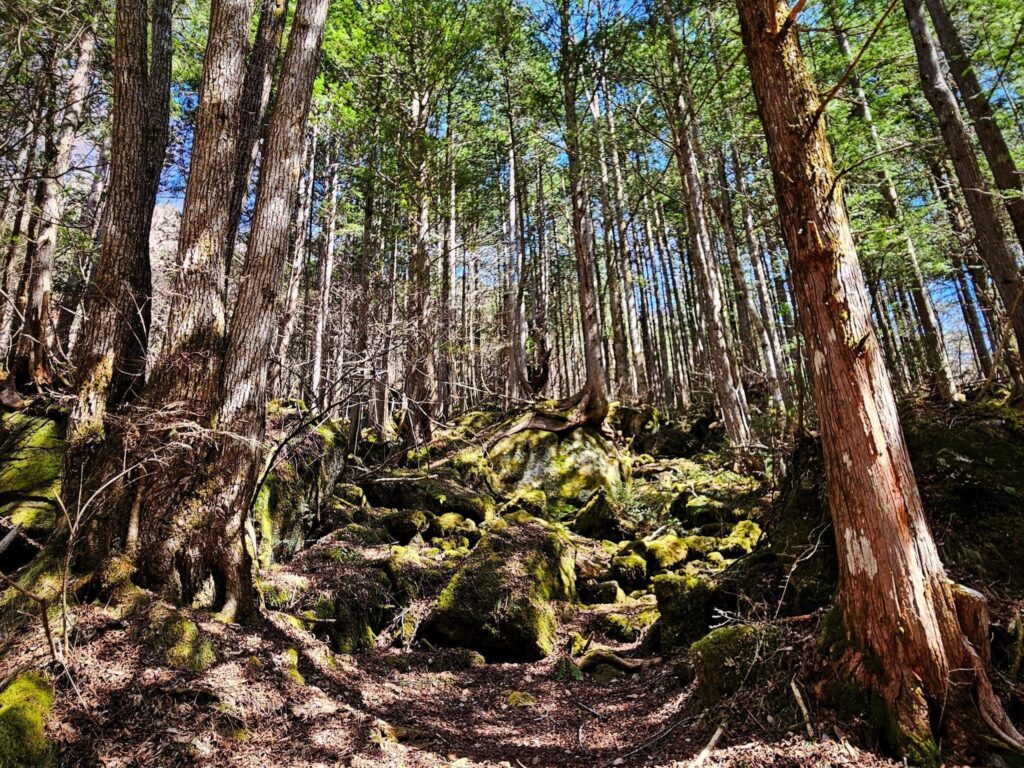
In this article, we have introduced two National Treasure and some of the most important archaeological sites hoping to provide an opportunity to discover the ancient heritage of the region also known as the “Home of the Jomon.”
Beyond its forests, mountains, and seasonal beauty, Tateshina offers the rare opportunity to connect with Jomon culture.
Explore the area and discover the rich history that has shaped this land over millennia.


